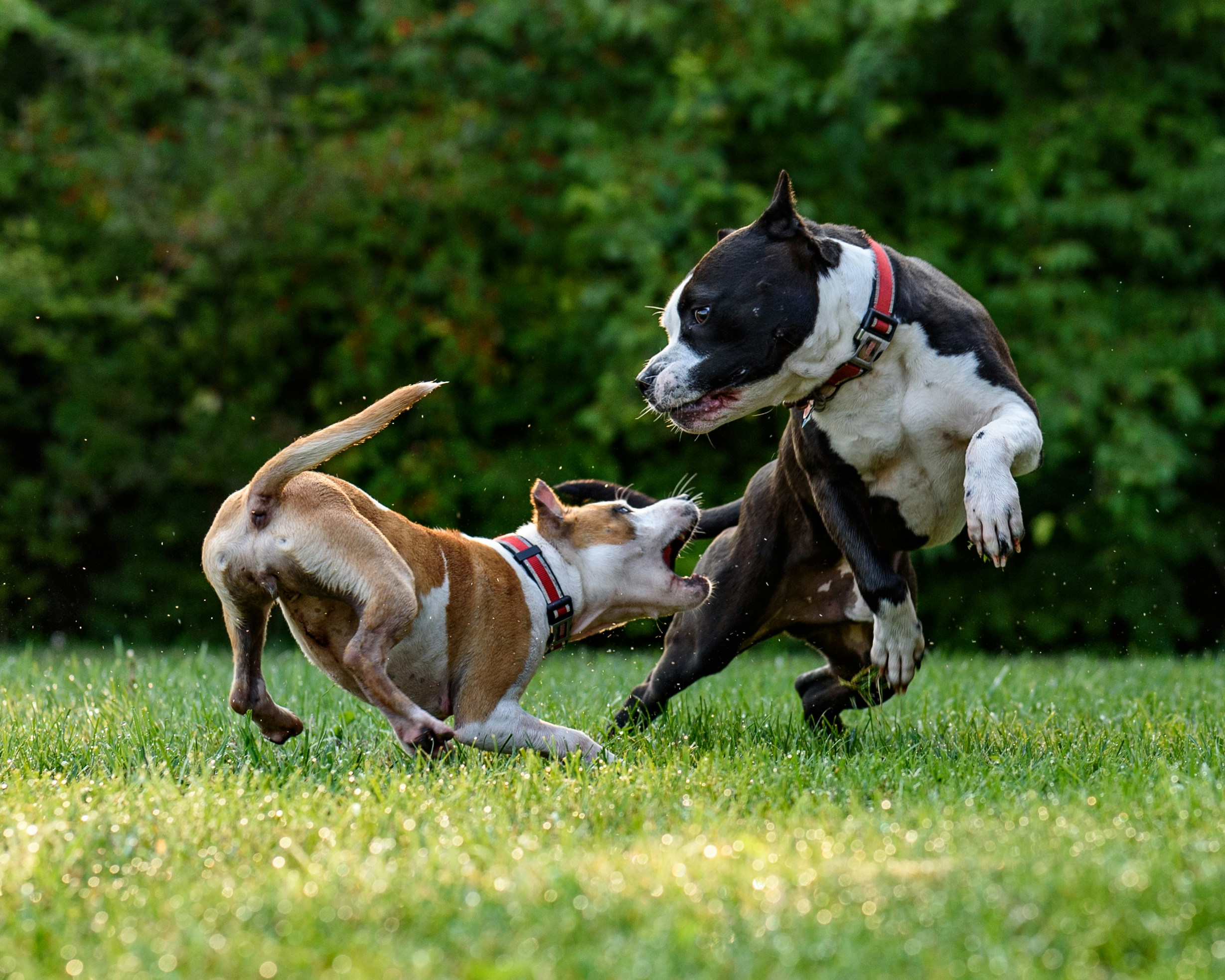
Aggression is one of the most worrying behaviors pet owners can face. Growling, snapping, lunging, biting, or hissing can show up in dogs, cats, and other companion animals for many different reasons. It is rarely a sign that your pet is “mean.” Most of the time, aggressive reactions stem from fear, pain, territorial stress, poor socialization, or confusion over boundaries. With patience, consistent training, and careful management, you can safely reduce aggressive episodes and rebuild a trusting bond with your furry friend.
Important note: If your pet has bitten a person or another animal, or the aggression happens suddenly and violently, visit a veterinarian or certified animal behaviorist first. Sudden aggression can be caused by hidden pain, illness, or neurological issues that require professional care.
Recognize Early Warning Signs
Pets almost always give clear clues before they lash out. Learning to spot these signals lets you step in early before things escalate. For dogs: stiff body posture, raised hackles, fixed staring, low rumbling growls, curled lips, a hard or rapidly wagging tail. For cats: flattened ears, dilated pupils, swishing tail, hissing, arching the back, avoiding touch.
Many owners accidentally punish these warnings. Scolding or yelling when a pet growls teaches them to skip the warning and bite without notice. Never punish growling — it is your pet’s way of saying, “I feel unsafe.”
Find the Root Trigger
Aggression does not happen without a trigger. Try to log when the behavior appears to understand what sets your pet off.
- Fear-based aggression: The most common type. Pets react when they feel trapped, threatened, or overwhelmed by strangers, loud noises, new pets, or unfamiliar environments.
- Pain-induced aggression: If touching a certain area makes your pet snap, they may be sore, injured, or suffering from arthritis, dental pain, or infection. This is very common in senior pets.
- Resource guarding: Aggression over food bowls, chews, beds, favorite toys, or even you. Many dogs and cats will defend items they see as valuable.
- Territorial aggression: Triggered by visitors, delivery people, or other animals approaching your home or yard.
- Redirected aggression: Your pet cannot reach the thing upsetting them, so they turn and snap at whoever is nearby.
Keep a simple journal: time, what happened right before the outburst, and who or what was present. This record will make training far more targeted.
Safe Management: Prevent Incidents First
Behavior modification takes time. Management keeps everyone safe while you work on training. This is the foundation of any successful plan.
- Create quiet safe spaces: Set up a separate crate, pet bed, or closed room where your pet can retreat away from guests, kids, or other pets. Never force them to interact when they want space.
- Use physical barriers: Baby gates, leashes, and harnesses can separate pets during meal time or when visitors arrive.
- Avoid forcing confrontations: Do not hold your pet to “teach them to be nice,” do not push them toward scary people or animals, and do not take guarded items away by force.
- Swap high-value resources: For resource guarders, trade a low-stress treat for the guarded object instead of snatching it away. This builds the idea that people approaching their belongings bring good things.
Positive Reinforcement Training
The most reliable way to curb aggression is counterconditioning, paired with reward-based training. The goal is to change your pet’s emotional reaction to their trigger, not just force them to obey.
For example, if your dog growls when strangers walk near:
- Keep the stranger far enough away so your pet stays calm and does not react.
- Offer high-value treats immediately while the stranger is visible.
- Slowly reduce the distance over many short sessions, only moving closer if your pet stays relaxed.
The core rule: if your pet starts to tense up, you are too close. Step back to a safe distance and try again later. Keep sessions brief — two to five minutes works best for most pets. End every training session on a positive note.
Avoid shock collars, alpha rolling, hitting, shouting, or isolation as punishment. These tactics increase fear and anxiety and often make aggressive behavior worse long-term.
Socialization for Young Pets
Proper socialization while pets are young greatly lowers the chance of fearful aggression later in life. Gentle, positive exposure to different people, sounds, animals, surfaces, and environments helps them learn the world is not a threat.
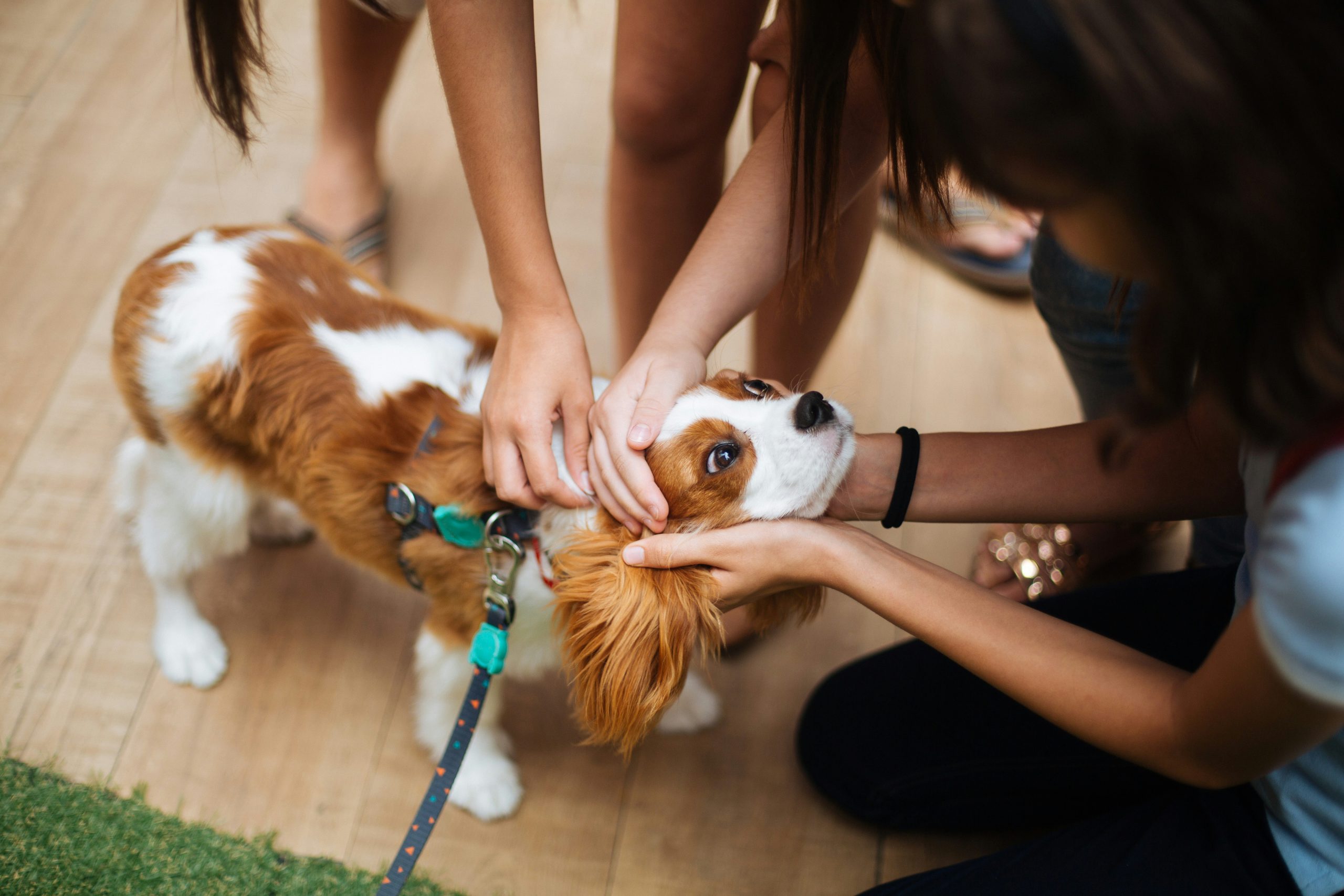
Socialization must be fun and low-pressure. If a puppy or kitten shies away from something, do not push. Pair every new experience with praise and tasty rewards so they build happy associations. Even adult pets can slowly be socialized, though progress will usually be slower.
Household Rules and Routine
Stable daily routines help pets feel secure and reduce stress that fuels aggression. Stick to regular feeding times, exercise, play, and rest.
- Make sure your pet gets enough physical activity and mental stimulation. Bored, pent-up animals are far more likely to lash out. Interactive toys, puzzle feeders, sniff walks, and gentle play sessions burn excess energy.
- Set consistent boundaries for all family members. Everyone should follow the same rules for touching, feeding, and interacting with the pet. Mixed signals confuse animals and make training harder.
- Supervise all interactions between pets and young children. Teach kids to respect boundaries: no pulling ears, no chasing, no disturbing a sleeping or eating pet.
When to Get Professional Help
You do not need to handle serious aggression alone. Reach out for expert support if:
- Your pet has drawn blood or bitten someone.
- Aggression happens unpredictably and without clear triggers.
- The behavior gets worse, even after weeks of careful training.
- Your pet is older and suddenly becomes aggressive.
Start with a vet exam first to rule out medical pain or illness. Then work with a certified animal behaviorist or reward-based dog trainer who specializes in aggressive cases.
Final Thoughts
Curbing aggressive pet behavior is not about “breaking” your pet or forcing them into submission. It is about understanding their fear, removing unnecessary pressure, and teaching them that the world and the people around them are safe. Progress can be slow, and setbacks are normal. With steady, kind handling, many pets learn to replace snapping and growling with calm, relaxed responses. The result is a happier pet and a safer, more peaceful home for everyone.
Leave a Reply